Why Colour Mistakes Happen and How Australians Can Choose Better Shades
Choosing the right paint colour for your home should feel simple, yet many Australians realise their chosen colour looks completely different once it goes on the wall. What looked soft in the sample turns harsh under natural light. What looked warm in the shop becomes dull at home. A shade you expected to brighten your living room may suddenly look flat or greyish. These colour mistakes cause frustration, stress, and extra costs, especially when repainting becomes the only solution.
Across Australia, homeowners searching for painting near me or professional house painters often say the same thing. “The sample looked perfect, but the wall looks wrong.” This is because colour behaves differently depending on light, undertones, and surroundings. Understanding these factors helps you avoid expensive repainting and choose shades that truly suit your home.
This guide explains why colour mistakes happen, how to avoid them, and how to choose colours that stay consistent in every Australian season.
Why Colour Looks Different on the Wall
Paint colour is not constant. It changes depending on conditions inside and outside the home. This is why experienced painters and master painters always test multiple patches before making a decision.
Here are the key reasons homeowners are surprised by how a colour looks after painting.
1. Sample Cards Are Too Small
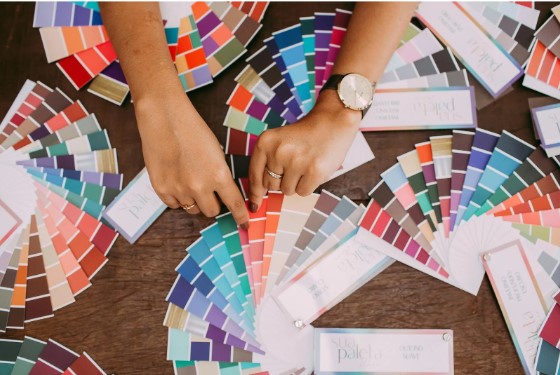
Most people choose colours from tiny sample cards. These cards are useful for comparing shades, but they do not show how the colour behaves on an entire wall. Once the colour spreads across a larger surface, undertones become clear.
A grey that looked neutral may show blue. A beige may reveal pink. A white may appear yellow. This is one of the main reasons homeowners end up searching for a home painting company near me to fix a mistake.
Always test large sections of the wall before committing.
2. Australian Natural Light Changes Everything
Homes in Australia receive strong, bright sunlight in summer and far softer light in winter. Even within the same day, light intensity changes heavily.
- North-facing rooms receive bright, warm light.
• South-facing rooms receive cool, indirect light.
• East-facing rooms are bright in the morning.
• West-facing rooms get harsh afternoon sun.
This affects how every shade appears. A soft grey may appear blue in a south-facing room. A cream colour may look yellow in the afternoon sun. Good pro painting teams always check the room direction before choosing shades.
3. Artificial Lighting Alters Colour Tone
Warm LED globes make cool colours appear warmer. Cool white globes make warm colours appear flatter. Many homeowners forget that their lighting at night dramatically changes colour appearance.
This is why bedroom, living room, and wall painting choices should match both natural and artificial light.
4. Undertones Become Visible in Large Spaces
Most colours have hidden undertones. A shade may look neutral on the sample, but once applied, undertones appear.
- Greys may turn blue, green, or purple.
• Whites may turn cream, pink, or beige.
• Beiges may lean yellow or orange.
Understanding undertones prevents repainting. Skilled colour consultants and the best painters identify undertones instantly.
5. Surrounding Colours Influence Perception
Colours look different depending on what surrounds them.
- Timber floors add warmth.
• White tiles make warm colours look brighter.
• Concrete flooring makes cool tones appear sharper.
Even furniture affects how a colour appears. This is why repainting without evaluating the whole room often leads to unexpected results.
Why Many Homeowners Misjudge Colour on Exteriors
Interior lighting is one challenge. Exterior painting has completely different issues.
Harsh UV rays across Melbourne, Brisbane, and Perth make colours fade faster. Dust, shade, landscaping, and neighbouring houses all influence how the shades appear.
Common mistakes include:
• Choosing very light colours that look washed out under strong sunlight.
• Picking dark colours that absorb too much heat.
• Choosing whites that glare during midday.
• Ignoring how shadows from porches or trees change colour tone.
These mistakes often lead to premature repainting or dissatisfaction with the final look.
How to Choose Better Colours for Your Home
Avoiding colour mistakes comes down to process. Good choices start with understanding light, undertones, and surrounding elements.
Here are the most reliable steps.
1. Test Large Colour Samples on the Wall
Do not rely on tiny cards. Test big swatches.
Paint at least one square metre on each wall you want to assess.
Check samples at:
• Morning light
• Afternoon light
• Evening light
• Artificial lighting
This gives a realistic view and reduces the chance of error.
2. Compare Colours Against Your Floor and Furniture
Colours should match your existing décor. Ask these questions:
• Do the undertones match the flooring
• Does the colour clash with timber
• Does it make the furniture look dull
• Does it feel too warm or too cool in the space
Consistency matters more than choosing your favourite shade.
3. Choose Neutrals for More Flexibility
Most Australian homes use neutral tones because they:
• Work with any style
• Age well
• Support décor changes
• Improve resale value
Neutrals are the safest foundation for long-term comfort.
4. Use Bold Colours Sparingly
Bold shades are beautiful, but only when used strategically.
Use them for:
• Feature walls
• Decorative corners
• Hallway accents
• Niche areas
Overuse of bold shades makes rooms feel smaller or overstimulated.
5. Consider Your Home’s Natural Light
Lighting is the most important factor.
• Homes with low natural light benefit from light, warm tones.
• Homes with strong sunlight benefit from soft, cool neutrals.
This is why many homeowners rely on professional house painters when choosing colours. Experience helps predict how colours behave in real conditions.
6. Match Colour With Room Purpose
Each room has a job. The colour should support that job.
Living Rooms
Warm neutrals add comfort.
Bedrooms
Soft greens and blues support restful sleep.
Studies or Home Offices
Cool blues and greys support focus, a principle widely used in office painting.
Kitchens
Crisp whites or light greys make spaces feel fresh and clean.
Bathrooms
Soft whites and gentle, tinted neutrals reflect clean simplicity.
How to Avoid the Most Common Colour Errors
Below are quick guidelines that help most Australians avoid costly mistakes.
1. Never Choose White Paint Without Testing
Whites are the most complex shades.
They show undertones immediately under bright Australian sunlight.
2. Avoid the Latest Trend if Your Home Does Not Suit It
Trends look good online, but may not match your lighting, flooring or house style.
3. Prioritise Finish Quality as Much as Colour
Even the best colour looks poor with patchy application. Smooth, level coating is essential. Many homeowners turn to master painters for this reason.
4. Do Not Paint Over Flaws
Prep work is important.
Cracks, damp spots, and stains affect the final colour. Proper prep ensures longevity and accurate shade representation.
Exterior Colour Choices for Australian Homes
Exterior paint choices are especially sensitive to climate. When choosing exterior colours, consider:
- Orientation
• Shade from trees
• Local council guidelines
• Style of surrounding homes
• Roof and gutter colour
• UV exposure
• Whether the home has a roof seal, roof restoration, or similar protective layers
Exterior walls should be durable and visually balanced. Under the strong Australian sun, softer greys, stone tones, off-whites, and charcoal accents remain popular.
Roof coating, roof sealing, and roof restoration also influence exterior colour decisions since roofs cover a large part of the home’s visible area.