Warning: Object of class WP_Post could not be converted to int in /home/boztmxfb/publishbookmark.com/wp-content/plugins/poststreamline/poststreamline.php on line 711
Warning: Object of class WP_Post could not be converted to int in /home/boztmxfb/publishbookmark.com/wp-content/plugins/poststreamline/poststreamline.php on line 711
Solar Transformers Supporting the Expansion of Renewable Energy Systems
Warning: Object of class WP_Post could not be converted to int in /home/boztmxfb/publishbookmark.com/wp-content/plugins/poststreamline/poststreamline.php on line 711
class="spnc-post wow-callback zoomIn post-8269 post type-post status-publish format-standard has-post-thumbnail hentry category-technology tag-step-up-transformer" >
Warning: Object of class WP_Post could not be converted to int in /home/boztmxfb/publishbookmark.com/wp-content/plugins/poststreamline/poststreamline.php on line 711 Warning: Object of class WP_Post could not be converted to int in /home/boztmxfb/publishbookmark.com/wp-content/plugins/poststreamline/poststreamline.php on line 711
Warning: Object of class WP_Post could not be converted to int in /home/boztmxfb/publishbookmark.com/wp-content/plugins/poststreamline/poststreamline.php on line 711
Solar Transformers Supporting the Expansion of Renewable Energy Systems
The global energy landscape is undergoing a significant transformation as renewable energy sources become increasingly important in electricity generation. Solar power has emerged as one of the fastest growing renewable energy technologies, with solar farms and rooftop installations appearing in many regions around the world. However, generating electricity from solar panels is only part of the process. Efficient transmission and integration into the power grid require specialized electrical equipment.
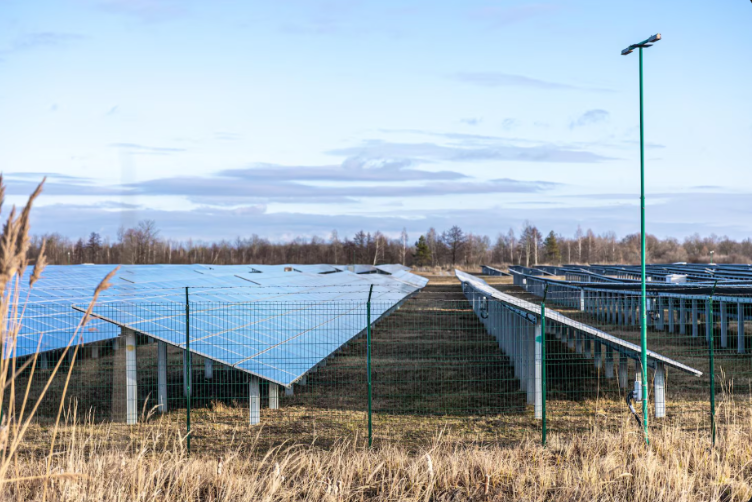
One of the most important components used in solar energy systems is the Solar Transformer. These transformers are responsible for adjusting voltage levels and enabling solar generated electricity to be transmitted effectively across power networks. In many cases, a Step-Up Transformer is used within solar plants to increase voltage levels so electricity can travel long distances without significant energy loss. Understanding Solar Power Generation
Solar energy systems produce electricity using photovoltaic panels that convert sunlight into direct current electricity. This electricity must then be converted into alternating current before it can be used by homes, businesses, and industrial facilities.
After this conversion process, voltage levels still need to be adjusted so that electricity can be transmitted efficiently to the power grid. This is where the Solar Transformer plays a crucial role.
By regulating voltage levels within solar power systems, transformers ensure that electricity generated from renewable sources can be safely integrated into existing power infrastructure.
The Role of Step-Up Transformers in Solar Farms
In large scale solar power plants, electricity generated by solar panels typically operates at relatively low voltage levels. However, transmission lines require much higher voltages to transport electricity efficiently across long distances.
A Step-Up Transformer is used to increase the voltage of electricity generated by solar panels before it enters transmission lines.
Increasing voltage reduces energy losses during transmission and allows solar power plants to supply electricity to cities and industrial areas located far from the generation site.
Without step up transformers, renewable energy systems would struggle to deliver electricity efficiently to the grid.
How Solar Transformers Work
A Solar Transformer operates using electromagnetic induction to transfer electrical energy between circuits while adjusting voltage levels.
Inside the transformer, electrical windings and magnetic cores help convert voltage levels according to system requirements. These transformers are specifically designed to handle fluctuating loads that occur in solar energy systems due to changing sunlight conditions.
Solar transformers must also meet strict efficiency standards to ensure that renewable energy systems operate at maximum performance.
Supporting Grid Integration of Renewable Energy
One of the biggest challenges facing renewable energy infrastructure is integrating solar power into existing electrical grids. Power grids are designed to operate at stable voltage levels, and sudden changes in electricity supply can disrupt grid stability.
Solar transformers help regulate these voltage levels, ensuring smooth integration of solar generated electricity into national power networks.
A properly designed Step-Up Transformer ensures that electricity from solar farms reaches the grid at the appropriate voltage levels required for transmission.
This process allows renewable energy systems to contribute reliably to overall electricity supply.
Improving Efficiency in Solar Power Systems
Energy efficiency is a major priority for renewable energy projects. Every component within a solar power plant must be designed to minimize energy loss and maximize power output.
A high quality Solar Transformer helps improve overall system efficiency by reducing electrical losses during voltage conversion.
Advanced transformer designs use high efficiency magnetic cores and improved insulation materials to optimize performance.
These innovations help solar energy systems generate more usable electricity while reducing operational costs.
Applications in Large Scale Solar Projects
Solar transformers are commonly used in utility scale solar farms, commercial solar installations, and grid connected renewable energy projects.
In large solar plants, multiple transformers may be used to manage voltage levels across different sections of the power system.
A Step Up Transformer is particularly important in these installations because it enables large amounts of solar generated electricity to travel across transmission networks efficiently.
As renewable energy adoption continues to grow, solar transformers will remain essential components of modern power infrastructure.
Future Trends in Solar Transformer Technology
As solar technology continues to evolve, transformer manufacturers are developing more advanced solutions designed specifically for renewable energy systems.
Future solar transformers will likely incorporate improved cooling systems, enhanced efficiency materials, and advanced monitoring technologies.
These innovations will help solar power plants operate more efficiently while supporting the expansion of global renewable energy networks.
Conclusion
Solar energy has become a vital part of modern electricity generation. However, efficient power transmission and grid integration require specialized electrical equipment.
A Solar Transformer plays a critical role in regulating voltage levels and ensuring stable power delivery from solar installations. Meanwhile, the Step Up Transformer allows electricity generated by solar panels to travel long distances through transmission networks.
Together, these technologies enable renewable energy systems to contribute effectively to modern power infrastructure and support the global transition toward sustainable energy.
Ari is a contributing author at PublishBookmark.com, a dynamic platform delivering diverse and engaging content across a wide range of general interest categories. Proudly affiliated with vefogix—a trusted guest post marketplace—Ari supports the site’s mission by creating SEO-focused articles that offer real value to readers. Through strategic content placement and high-quality backlink opportunities, Ari helps brands enhance their online visibility and grow their digital authority effectively
Warning: Object of class WP_Post could not be converted to int in /home/boztmxfb/publishbookmark.com/wp-content/plugins/poststreamline/poststreamline.php on line 711
Warning: Object of class WP_Post could not be converted to int in /home/boztmxfb/publishbookmark.com/wp-content/plugins/poststreamline/poststreamline.php on line 711
Warning: Object of class WP_Post could not be converted to int in /home/boztmxfb/publishbookmark.com/wp-content/plugins/poststreamline/poststreamline.php on line 711
Warning: Object of class WP_Post could not be converted to int in /home/boztmxfb/publishbookmark.com/wp-content/plugins/poststreamline/poststreamline.php on line 711
Warning: Object of class WP_Post could not be converted to int in /home/boztmxfb/publishbookmark.com/wp-content/plugins/poststreamline/poststreamline.php on line 711
Warning: Object of class WP_Post could not be converted to int in /home/boztmxfb/publishbookmark.com/wp-content/plugins/poststreamline/poststreamline.php on line 711
Warning: Object of class WP_Post could not be converted to int in /home/boztmxfb/publishbookmark.com/wp-content/plugins/poststreamline/poststreamline.php on line 711
Warning: Object of class WP_Post could not be converted to int in /home/boztmxfb/publishbookmark.com/wp-content/plugins/poststreamline/poststreamline.php on line 711
Warning: Object of class WP_Post could not be converted to int in /home/boztmxfb/publishbookmark.com/wp-content/plugins/poststreamline/poststreamline.php on line 711
Warning: Object of class WP_Post could not be converted to int in /home/boztmxfb/publishbookmark.com/wp-content/plugins/poststreamline/poststreamline.php on line 711
Warning: Object of class WP_Post could not be converted to int in /home/boztmxfb/publishbookmark.com/wp-content/plugins/poststreamline/poststreamline.php on line 711
Warning: Object of class WP_Post could not be converted to int in /home/boztmxfb/publishbookmark.com/wp-content/plugins/poststreamline/poststreamline.php on line 711
Warning: Object of class WP_Post could not be converted to int in /home/boztmxfb/publishbookmark.com/wp-content/plugins/poststreamline/poststreamline.php on line 711
Warning: Object of class WP_Post could not be converted to int in /home/boztmxfb/publishbookmark.com/wp-content/plugins/poststreamline/poststreamline.php on line 711
Warning: Object of class WP_Post could not be converted to int in /home/boztmxfb/publishbookmark.com/wp-content/plugins/poststreamline/poststreamline.php on line 711
Warning: Object of class WP_Post could not be converted to int in /home/boztmxfb/publishbookmark.com/wp-content/plugins/poststreamline/poststreamline.php on line 711
Warning: Object of class WP_Post could not be converted to int in /home/boztmxfb/publishbookmark.com/wp-content/plugins/poststreamline/poststreamline.php on line 711
Warning: Object of class WP_Post could not be converted to int in /home/boztmxfb/publishbookmark.com/wp-content/plugins/poststreamline/poststreamline.php on line 711
Warning: Object of class WP_Post could not be converted to int in /home/boztmxfb/publishbookmark.com/wp-content/plugins/poststreamline/poststreamline.php on line 711
Warning: Object of class WP_Post could not be converted to int in /home/boztmxfb/publishbookmark.com/wp-content/plugins/poststreamline/poststreamline.php on line 711
Warning: Object of class WP_Post could not be converted to int in /home/boztmxfb/publishbookmark.com/wp-content/plugins/poststreamline/poststreamline.php on line 711
Warning: Object of class WP_Post could not be converted to int in /home/boztmxfb/publishbookmark.com/wp-content/plugins/poststreamline/poststreamline.php on line 711
Warning: Object of class WP_Post could not be converted to int in /home/boztmxfb/publishbookmark.com/wp-content/plugins/poststreamline/poststreamline.php on line 711
Warning: Object of class WP_Post could not be converted to int in /home/boztmxfb/publishbookmark.com/wp-content/plugins/poststreamline/poststreamline.php on line 711
Warning: Object of class WP_Post could not be converted to int in /home/boztmxfb/publishbookmark.com/wp-content/plugins/poststreamline/poststreamline.php on line 711
Warning: Object of class WP_Post could not be converted to int in /home/boztmxfb/publishbookmark.com/wp-content/plugins/poststreamline/poststreamline.php on line 711
Warning: Object of class WP_Post could not be converted to int in /home/boztmxfb/publishbookmark.com/wp-content/plugins/poststreamline/poststreamline.php on line 711
Warning: Object of class WP_Post could not be converted to int in /home/boztmxfb/publishbookmark.com/wp-content/plugins/poststreamline/poststreamline.php on line 711
Warning: Object of class WP_Post could not be converted to int in /home/boztmxfb/publishbookmark.com/wp-content/plugins/poststreamline/poststreamline.php on line 711
Warning: Object of class WP_Post could not be converted to int in /home/boztmxfb/publishbookmark.com/wp-content/plugins/poststreamline/poststreamline.php on line 711
Warning: Object of class WP_Post could not be converted to int in /home/boztmxfb/publishbookmark.com/wp-content/plugins/poststreamline/poststreamline.php on line 711
Warning: Object of class WP_Post could not be converted to int in /home/boztmxfb/publishbookmark.com/wp-content/plugins/poststreamline/poststreamline.php on line 711
Warning: Object of class WP_Post could not be converted to int in /home/boztmxfb/publishbookmark.com/wp-content/plugins/poststreamline/poststreamline.php on line 711
Warning: Object of class WP_Post could not be converted to int in /home/boztmxfb/publishbookmark.com/wp-content/plugins/poststreamline/poststreamline.php on line 711
Warning: Object of class WP_Post could not be converted to int in /home/boztmxfb/publishbookmark.com/wp-content/plugins/poststreamline/poststreamline.php on line 711