Exploring Nepal’s Premier Himalayan Treks: A Guide to Langtang Valley, Manaslu Circuit, Annapurna Base Camp, and Everest Base Camp
Nepal, nestled in the heart of the Himalayas, is a trekker’s dream destination. With its towering peaks, diverse landscapes, and rich cultural tapestry, the country offers some of the world’s most iconic trekking routes. Among these, the Langtang Valley Trek, Manaslu Circuit Trek, Annapurna Base Camp Trek, and Everest Base Camp Trek stand out for their unique blends of natural beauty, adventure, and cultural immersion. Each trek provides a gateway to the majestic Himalayas, catering to varying levels of experience and interests. Whether you’re seeking solitude in remote valleys, challenging high-altitude passes, or panoramic views of snow-capped giants, these routes deliver unforgettable experiences.
These treks share common threads: they traverse through rhododendron forests, traditional villages, and glacial terrains, often requiring permits and guides due to protected areas. However, they differ in accessibility, crowd levels, and physical demands. In this article, we’ll delve into each trek’s overview, route, difficulty, highlights, and optimal timing, helping you decide which one aligns with your adventure goals. Drawing from the essence of Nepal’s trekking heritage, we’ll explore how these paths not only test your endurance but also connect you with local communities and pristine wilderness.
Langtang Valley Trek: A Serene Escape Close to Kathmandu
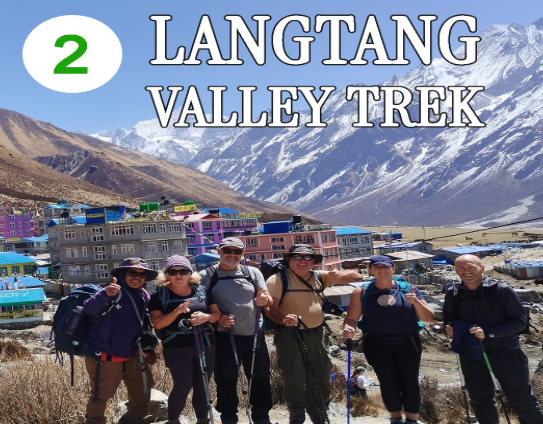
The Langtang Valley Trek is often hailed as one of Nepal’s most accessible yet rewarding hikes, ideal for those wanting a taste of Himalayan trekking without venturing too far from the capital. Located in Langtang National Park, just north of Kathmandu, this trek offers a compact journey through diverse ecosystems, from subtropical forests to alpine meadows. It’s a perfect option for first-time trekkers or those with limited time, typically spanning 7 to 10 days.
The standard route begins with a scenic drive from Kathmandu to Syabrubesi, a bustling trailhead town at around 1,500 meters. From there, the path ascends along the Langtang River, passing through bamboo groves and oak forests teeming with wildlife like red pandas and langur monkeys. Key stops include Lama Hotel (2,470m), where trekkers often overnight amid rhododendron blooms, and Langtang Village (3,430m), a resilient community rebuilt after the 2015 earthquake. The trek culminates at Kyanjin Gompa (3,870m), an ancient monastery surrounded by glaciers and yak pastures. Side trips to viewpoints like Tserko Ri (4,984m) offer stunning panoramas of Langtang Lirung (7,234m) and other peaks. The return follows a similar path, with options to loop via Gosaikunda Lake for added adventure.
Rated as moderate in difficulty, the Langtang Valley Trek involves daily hikes of 5-7 hours with gradual ascents, reaching a maximum altitude of about 5,000 meters on optional side hikes. Altitude sickness is a risk, but the shorter duration allows for better acclimatization. Physical preparation, including cardio and leg strength training, is recommended, though it’s less strenuous than longer circuits.
Highlights abound: the trek’s cultural depth shines through interactions with Tamang and Tibetan communities, where you can sample local cheese from yak dairies and visit sacred sites. Scenic vistas include frozen lakes, moraines, and the dramatic Langtang Glacier. Wildlife enthusiasts appreciate the park’s biodiversity, home to over 250 bird species. The best time to embark is during spring (March to May), when wildflowers carpet the trails, or autumn (September to November), offering clear skies and mild temperatures averaging 10-15°C during the day.
Manaslu Circuit Trek: The Remote Gem of the Himalayas
For those craving an off-the-beaten-path experience, the Manaslu Circuit Trek encircles the world’s eighth-highest mountain, Mount Manaslu (8,163m), in a restricted area that preserves its untouched allure. This trek, lasting 14 to 18 days, combines rugged terrain with profound cultural encounters, making it a favorite among seasoned adventurers seeking solitude away from crowded trails.
The route starts from Arughat or Soti Khola, accessible by jeep from Kathmandu, winding through subtropical lowlands before climbing into high Himalayan realms. Early days traverse Gurung villages like Machha Khola (930m) and Jagat (1,340m), where terraced fields and suspension bridges set the scene. The path then enters Buddhist-influenced zones, passing monasteries in Philim (1,570m) and reaching Samagaon (3,530m), a base for Manaslu views. The climax is crossing Larkya La Pass (5,106m), a challenging high-altitude traverse with icy sections, before descending to Dharapani and linking with the Annapurna Circuit.
Difficulty-wise, it’s moderate to challenging, with long days (6-8 hours) involving steep inclines, river crossings, and potential snow at the pass. The high elevation demands strong fitness and acclimatization days to mitigate acute mountain sickness. Trekkers need restricted area permits and must travel with a guide, adding to the logistical prep.
Key highlights include the trek’s remoteness, fostering intimate glimpses into Nubri Valley’s Tibetan-Buddhist culture—think prayer flags fluttering over ancient gompas and festivals in villages like Lho. Breathtaking scenery features birch forests, glacial rivers, and close-up views of Manaslu, Himalchuli, and Ganesh Himal. Biodiversity thrives here, with chances to spot blue sheep and snow leopards. Optimal seasons mirror others: spring for blooming landscapes and autumn for stable weather, with daytime temps ranging from 5-20°C, dropping below freezing at night.
Annapurna Base Camp Trek: Journey to the Sanctuary of Giants
The Annapurna Base Camp Trek leads to the heart of the Annapurna massif, offering an intimate encounter with one of Nepal’s most revered mountain ranges. Spanning 7 to 12 days, this trek is renowned for its relatively short duration and spectacular amphitheater views at the base camp (4,130m), surrounded by peaks over 7,000 meters.
Beginning from Nayapul near Pokhara, the route ascends through Gurung and Magar villages, crossing the Modi Khola River multiple times. Highlights en route include the viewpoint at Poon Hill (3,210m) for sunrise vistas of Dhaulagiri and Annapurna South. The path then delves into dense rhododendron forests to Chhomrong (2,170m), a charming hillside settlement, before climbing to Himalaya Hotel (2,920m) and Machapuchare Base Camp (3,700m). The final push to ABC reveals a glacial basin framed by Annapurna I (8,091m), Hiunchuli, and the fishtail-shaped Machapuchare (6,993m).
Classified as moderate, the trek features stone steps and forested trails, with daily walks of 4-6 hours and a max elevation gain that tests but doesn’t overwhelm. Altitude acclimatization is crucial, and the route’s popularity means teahouses are plentiful for rest.
Standout elements include the diverse flora—rhododendrons in full bloom create a fairy-tale forest—and cultural stops at ethnic villages with hot springs like Jhinu Danda. At ABC, the 360-degree mountain panorama is mesmerizing, especially at dawn. Best undertaken in spring for floral displays or autumn for crystal-clear visibility, with comfortable daytime weather around 10-20°C.
Everest Base Camp Trek: The Ultimate Himalayan Pilgrimage
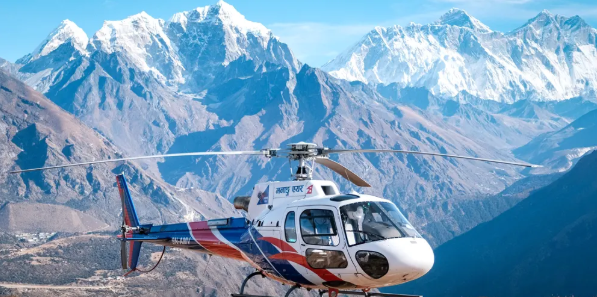
No trekking list is complete without the Everest Base Camp Trek, a legendary path to the foot of the world’s highest mountain (8,848m). This 12 to 16-day journey through the Khumbu Valley immerses you in Sherpa culture and high-altitude drama, attracting thousands annually.
The adventure kicks off with a thrilling flight to Lukla (2,860m), followed by a hike to Phakding and the bustling bazaar of Namche (3,440m), the trek’s commercial hub. Acclimatization days here prepare for higher elevations, leading to Tengboche Monastery (3,860m) with its Everest views. The trail continues to Dingboche (4,410m), Lobuche (4,940m), and Gorak Shep (5,164m), before the final ascent to EBC (5,364m). Optional hikes to Kala Patthar (5,545m) offer the best Everest panoramas.
Difficulty is moderate to strenuous, with 5-8 hour days, thin air, and rocky paths demanding robust preparation. Cold winds and potential weather changes add challenges.
Highlights encompass Sherpa hospitality in teahouses, ancient monasteries like Pangboche, and the Khumbu Icefall’s eerie beauty. The sense of achievement at EBC, amid expedition tents, is profound. Prime times are spring for blooming valleys and autumn for unobstructed views, with temps from -5°C at night to 15°C by day.
Comparing the Treks: Finding Your Perfect Path
While all four treks demand fitness and respect for altitude, they vary in appeal. Langtang offers accessibility and serenity, ideal for shorter trips; Manaslu provides raw remoteness with a high pass thrill; Annapurna delivers diverse scenery in a compact package; and Everest boasts global fame with cultural depth. Crowds peak on Everest and Annapurna, while Manaslu and Langtang feel more exclusive. Costs range from $800-1,500 per person, covering permits, guides, and lodging. All benefit from spring or autumn visits to avoid monsoons and harsh winters.
Conclusion: Embrace the Himalayan Call
Nepal’s Langtang, Manaslu, Annapurna, and Everest treks embody the spirit of adventure, blending physical challenge with soul-stirring beauty. Whether you’re drawn to Langtang’s peaceful valleys, Manaslu’s untamed circuits, Annapurna’s floral sanctuaries, or Everest’s lofty ambitions, each promises personal growth and lasting memories. Choose based on your experience, time, and desired intensity, but always prioritize sustainable practices—support local economies, minimize waste, and trek ethically. As you lace up your boots, remember: the Himalayas don’t just test your limits; they expand them. Safe journeys!
Contact Details
——————————–
Company address: Everest Trekking Routes Pvt. Ltd.
16 Khumbu, Nayabazaar, Kathmandu, Nepal
Mobile : +977-9843467921 (Rabin)
Email: info@everesttrekkingroutes.com
URL:– www.everesttrekkingroutes.com