Warning: Object of class WP_Post could not be converted to int in /home/boztmxfb/publishbookmark.com/wp-content/plugins/poststreamline/poststreamline.php on line 711
Everest Base Camp Trek: A Complete Guide to the Legendary Himalayan Adventure
Warning: Object of class WP_Post could not be converted to int in /home/boztmxfb/publishbookmark.com/wp-content/plugins/poststreamline/poststreamline.php on line 711
class="spnc-post wow-callback zoomIn post-8294 post type-post status-publish format-standard hentry category-general" >
Warning: Object of class WP_Post could not be converted to int in /home/boztmxfb/publishbookmark.com/wp-content/plugins/poststreamline/poststreamline.php on line 711
Everest Base Camp Trek: A Complete Guide to the Legendary Himalayan Adventure
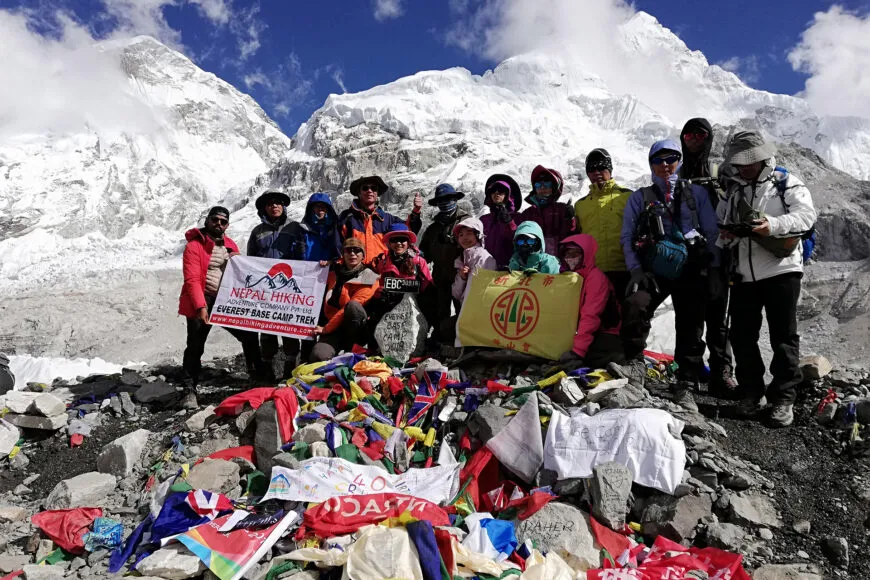
The Everest Base Camp Trek is widely regarded as one of the most remarkable trekking experiences in the world. Often described as the ultimate Himalayan journey, the Trek to Everest Base Camp offers a perfect combination of natural splendor, cultural immersion, and physical endurance. For adventure enthusiasts and nature lovers alike, this trek represents a dream expedition into the heart of Nepal’s majestic mountain landscape.
The Everest Base Camp Trek leads trekkers to the base of Mount Everest, the tallest mountain on Earth, standing at 8,848.86 meters. The base camp itself sits at an altitude of 5,364 meters and serves as a starting point for climbers attempting to summit Everest. However, reaching base camp is an achievement in itself and does not require technical climbing skills, making it accessible to determined trekkers with proper preparation.
The journey typically begins with a thrilling flight to Lukla, a small mountain town known for its challenging airport. From Lukla, trekkers follow a well-established trail through the Khumbu region, gradually ascending through valleys, forests, and traditional settlements.
Stunning Landscapes and Natural Beauty
One of the defining features of the Everest Base Camp Trek is its extraordinary scenery. The route is surrounded by towering peaks, including Everest, Lhotse, Nuptse, and the iconic Ama Dablam. These dramatic landscapes provide constant visual rewards throughout the journey.
Trekkers pass through Sagarmatha National Park, a UNESCO World Heritage Site known for its diverse flora and fauna. Dense forests of rhododendron, pine, and fir gradually give way to alpine meadows and rocky terrain as the altitude increases. Glacial rivers, suspension bridges, and rugged trails add to the adventure.
A highlight of the Trek to Everest Base Camp is the hike to Kala Patthar, a viewpoint offering one of the best panoramic views of Mount Everest. The sunrise from this vantage point is a breathtaking spectacle that captures the essence of the Himalayas.
Cultural Encounters in the Khumbu Region
Beyond its natural beauty, the Everest Base Camp Trek provides a rich cultural experience. The Khumbu region is home to the Sherpa community, whose traditions and lifestyle are deeply connected to the mountains.
Villages such as Namche Bazaar serve as cultural hubs where trekkers can explore local markets, bakeries, and museums. The hospitality of the Sherpa people is a key aspect of the journey, offering warmth and insight into their unique way of life.
Buddhism plays a central role in the region, and trekkers will encounter monasteries, stupas, and prayer flags along the trail. Tengboche Monastery, one of the most significant religious sites in the area, offers a peaceful retreat and an opportunity to witness traditional ceremonies.
Physical Demands and Acclimatization
The Trek to Everest Base Camp is considered moderately difficult, requiring a good level of fitness and endurance. Daily trekking hours range from five to eight hours, often on uneven terrain and steep inclines.
Altitude is the primary challenge, as oxygen levels decrease significantly at higher elevations. To reduce the risk of altitude sickness, itineraries include acclimatization days in key locations such as Namche Bazaar and Dingboche. These rest days allow the body to adjust gradually, ensuring a safer and more enjoyable experience.
Preparation is essential for success. Trekkers are advised to engage in regular physical training, including cardio exercises, strength building, and long-distance walking before attempting the trek.
Best Seasons for the Trek
Choosing the right time for the Everest Base Camp Trek is crucial. The most favorable seasons are spring (March to May) and autumn (September to November). During these periods, the weather is generally stable, and visibility is excellent.
Spring is known for blooming rhododendrons and mild temperatures, while autumn offers clear skies and crisp mountain views. Winter trekking is possible but involves extreme cold, and the monsoon season brings heavy rainfall and poor visibility, making it less ideal.
Accommodation and Food Options
Accommodation during the Everest Base Camp Trek is primarily in tea houses, which are simple lodges operated by local families. These provide basic amenities such as a bed, meals, and communal dining areas.
The menu typically includes a mix of local and international dishes. Dal bhat, a traditional Nepali meal of rice and lentils, is a staple due to its nutritional value and energy-boosting qualities. Other options include soups, noodles, pasta, and pancakes.
As trekkers ascend, facilities become more basic, and prices may increase due to the remote location. Despite this, the welcoming atmosphere of tea houses adds a unique charm to the experience.
Responsible and Sustainable Trekking
With increasing numbers of trekkers each year, sustainability has become a key concern in the Everest region. Responsible trekking practices are essential to protect the fragile environment and support local communities.
Trekkers are encouraged to minimize waste, use reusable water bottles, and avoid single-use plastics. Respecting local customs and traditions is equally important, as it fosters positive interactions and cultural preservation.
Many organizations promote eco-friendly trekking initiatives, ensuring that tourism benefits the region without causing harm.
Conclusion
The Everest Base Camp Trek, also known as the Trek to Everest Base Camp, stands as a symbol of adventure, resilience, and natural wonder. It is a journey that challenges individuals physically while rewarding them with unparalleled beauty and cultural richness.
From the dramatic Himalayan landscapes to the heartfelt hospitality of the Sherpa people, every aspect of the trek contributes to an unforgettable experience. Reaching Everest Base Camp is not just about arriving at a destination—it is about embracing the journey, overcoming challenges, and discovering the true essence of exploration.
For those seeking a life-changing adventure, the Everest Base Camp Trek remains one of the most inspiring and fulfilling journeys on Earth.
Warning: Object of class WP_Post could not be converted to int in /home/boztmxfb/publishbookmark.com/wp-content/plugins/poststreamline/poststreamline.php on line 711
Warning: Object of class WP_Post could not be converted to int in /home/boztmxfb/publishbookmark.com/wp-content/plugins/poststreamline/poststreamline.php on line 711
Warning: Object of class WP_Post could not be converted to int in /home/boztmxfb/publishbookmark.com/wp-content/plugins/poststreamline/poststreamline.php on line 711
Warning: Object of class WP_Post could not be converted to int in /home/boztmxfb/publishbookmark.com/wp-content/plugins/poststreamline/poststreamline.php on line 711
Warning: Object of class WP_Post could not be converted to int in /home/boztmxfb/publishbookmark.com/wp-content/plugins/poststreamline/poststreamline.php on line 711
Warning: Object of class WP_Post could not be converted to int in /home/boztmxfb/publishbookmark.com/wp-content/plugins/poststreamline/poststreamline.php on line 711
Warning: Object of class WP_Post could not be converted to int in /home/boztmxfb/publishbookmark.com/wp-content/plugins/poststreamline/poststreamline.php on line 711
Warning: Object of class WP_Post could not be converted to int in /home/boztmxfb/publishbookmark.com/wp-content/plugins/poststreamline/poststreamline.php on line 711
Warning: Object of class WP_Post could not be converted to int in /home/boztmxfb/publishbookmark.com/wp-content/plugins/poststreamline/poststreamline.php on line 711
Warning: Object of class WP_Post could not be converted to int in /home/boztmxfb/publishbookmark.com/wp-content/plugins/poststreamline/poststreamline.php on line 711
Warning: Object of class WP_Post could not be converted to int in /home/boztmxfb/publishbookmark.com/wp-content/plugins/poststreamline/poststreamline.php on line 711
Warning: Object of class WP_Post could not be converted to int in /home/boztmxfb/publishbookmark.com/wp-content/plugins/poststreamline/poststreamline.php on line 711
Warning: Object of class WP_Post could not be converted to int in /home/boztmxfb/publishbookmark.com/wp-content/plugins/poststreamline/poststreamline.php on line 711
Warning: Object of class WP_Post could not be converted to int in /home/boztmxfb/publishbookmark.com/wp-content/plugins/poststreamline/poststreamline.php on line 711
Warning: Object of class WP_Post could not be converted to int in /home/boztmxfb/publishbookmark.com/wp-content/plugins/poststreamline/poststreamline.php on line 711
Warning: Object of class WP_Post could not be converted to int in /home/boztmxfb/publishbookmark.com/wp-content/plugins/poststreamline/poststreamline.php on line 711
Warning: Object of class WP_Post could not be converted to int in /home/boztmxfb/publishbookmark.com/wp-content/plugins/poststreamline/poststreamline.php on line 711
Warning: Object of class WP_Post could not be converted to int in /home/boztmxfb/publishbookmark.com/wp-content/plugins/poststreamline/poststreamline.php on line 711
Warning: Object of class WP_Post could not be converted to int in /home/boztmxfb/publishbookmark.com/wp-content/plugins/poststreamline/poststreamline.php on line 711
Warning: Object of class WP_Post could not be converted to int in /home/boztmxfb/publishbookmark.com/wp-content/plugins/poststreamline/poststreamline.php on line 711
Warning: Object of class WP_Post could not be converted to int in /home/boztmxfb/publishbookmark.com/wp-content/plugins/poststreamline/poststreamline.php on line 711
Warning: Object of class WP_Post could not be converted to int in /home/boztmxfb/publishbookmark.com/wp-content/plugins/poststreamline/poststreamline.php on line 711
Warning: Object of class WP_Post could not be converted to int in /home/boztmxfb/publishbookmark.com/wp-content/plugins/poststreamline/poststreamline.php on line 711
Warning: Object of class WP_Post could not be converted to int in /home/boztmxfb/publishbookmark.com/wp-content/plugins/poststreamline/poststreamline.php on line 711
Warning: Object of class WP_Post could not be converted to int in /home/boztmxfb/publishbookmark.com/wp-content/plugins/poststreamline/poststreamline.php on line 711
Warning: Object of class WP_Post could not be converted to int in /home/boztmxfb/publishbookmark.com/wp-content/plugins/poststreamline/poststreamline.php on line 711
Warning: Object of class WP_Post could not be converted to int in /home/boztmxfb/publishbookmark.com/wp-content/plugins/poststreamline/poststreamline.php on line 711
Warning: Object of class WP_Post could not be converted to int in /home/boztmxfb/publishbookmark.com/wp-content/plugins/poststreamline/poststreamline.php on line 711
Warning: Object of class WP_Post could not be converted to int in /home/boztmxfb/publishbookmark.com/wp-content/plugins/poststreamline/poststreamline.php on line 711
Warning: Object of class WP_Post could not be converted to int in /home/boztmxfb/publishbookmark.com/wp-content/plugins/poststreamline/poststreamline.php on line 711
Warning: Object of class WP_Post could not be converted to int in /home/boztmxfb/publishbookmark.com/wp-content/plugins/poststreamline/poststreamline.php on line 711
Warning: Object of class WP_Post could not be converted to int in /home/boztmxfb/publishbookmark.com/wp-content/plugins/poststreamline/poststreamline.php on line 711
Warning: Object of class WP_Post could not be converted to int in /home/boztmxfb/publishbookmark.com/wp-content/plugins/poststreamline/poststreamline.php on line 711
Warning: Object of class WP_Post could not be converted to int in /home/boztmxfb/publishbookmark.com/wp-content/plugins/poststreamline/poststreamline.php on line 711
Warning: Object of class WP_Post could not be converted to int in /home/boztmxfb/publishbookmark.com/wp-content/plugins/poststreamline/poststreamline.php on line 711
Warning: Object of class WP_Post could not be converted to int in /home/boztmxfb/publishbookmark.com/wp-content/plugins/poststreamline/poststreamline.php on line 711